
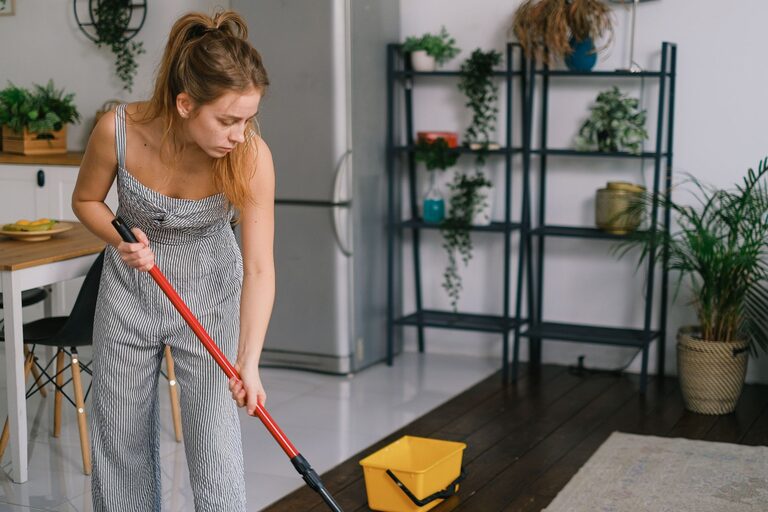

Keeping up with household chores can sometimes feel overwhelming. Whether it’s cleaning, laundry, or organizing, these tasks pile up quickly if left unattended. Fortunately, there are simple ways to make chores more manageable so they don’t take over your day or drain your energy. In this post, we’ll explore effective strategies to help you stay on top of chores with less hassle and more ease.
Why Making Chores Manageable Matters
Chores are a necessary part of everyday life, but when they feel like a burden, it can affect your mood and productivity. Managing chores effectively allows you to:
– Save time for yourself and your loved ones
– Maintain a clean and comfortable living space
– Avoid last-minute cleaning stress
– Build a routine that fits your lifestyle
Now, let’s dive into practical ways to ease the chore workload.
1. Create a Chore Schedule
One of the most effective strategies is to set up a chore schedule. Breaking down tasks by day or week prevents chores from piling up and becoming overwhelming.
How to build a chore schedule:
– List all chores: Write down everything that needs to be done regularly, such as vacuuming, dishes, laundry, and dusting.
– Prioritize tasks: Identify which chores need daily, weekly, or monthly attention.
– Assign days and times: Allocate specific chores to certain days or times. For example, laundry on Mondays and vacuuming on Wednesdays.
– Use a planner or app: Digital tools and apps like Todoist or Google Calendar can send reminders and keep you on track.
Stick to your schedule as much as possible, but allow flexibility to adjust on busy days.
2. Break Tasks into Smaller Steps
Sometimes chores feel daunting because they seem like one big job. Breaking chores into smaller, manageable steps helps you make steady progress without feeling overwhelmed.
For example:
– Instead of “clean the kitchen,” divide it into “wipe counters,” “wash dishes,” “clean the stove,” and “empty trash.”
– Tackle one small task at a time — even 10 minutes can make a difference.
This method also provides a sense of accomplishment as you check off these smaller tasks.
3. Use the Right Tools and Products
Having the proper cleaning tools and products can make chores quicker and less tiring.
Tips for selecting tools:
– Invest in multi-purpose cleaners to reduce the number of products you need.
– Use microfiber cloths — they clean surfaces effectively without leaving streaks.
– Consider cordless vacuum cleaners or robotic vacuums to save effort.
– Store cleaning supplies within easy reach in frequently used areas.
By using efficient tools, chores become less of a hassle and can even feel a bit more enjoyable.
4. Make It a Family Affair
Sharing chores with household members lightens the load for everyone. It also teaches responsibility and cooperation.
Ways to involve family:
– Assign age-appropriate chores to children, like setting the table or sorting laundry.
– Rotate tasks weekly so everyone gets a chance to do different jobs.
– Create a chore chart to keep track of responsibilities and progress.
– Turn chores into friendly competitions or set rewards to encourage participation.
When everyone pitches in, chores get done faster and the home stays tidy.
5. Set a Timer and Use Focused Sessions
Using a timer can help you stay focused and make chores feel less tedious. Known as the Pomodoro technique, this approach breaks work into short, concentrated bursts.
How to apply it:
– Choose a chore to work on.
– Set a timer for 15-20 minutes.
– Work on the task without distractions until the timer goes off.
– Take a short break, then repeat as needed.
This method prevents burnout and can turn chores into manageable chunks of time.
6. Combine Chores with Entertainment
If chores feel boring, try pairing them with something enjoyable to make the experience better.
Ideas include:
– Listening to your favorite music or podcast while cleaning.
– Watching a TV show or YouTube videos during tasks like folding laundry.
– Using audiobooks or language lessons during repetitive chores.
Adding entertainment can change your perception of chores from a dull task to a pleasant part of your day.
7. Declutter Regularly
Less clutter means less to clean and organize. Regularly decluttering your home reduces the time you spend on chores.
Decluttering tips:
– Sort items into categories: keep, donate, recycle, or toss.
– Focus on one room or area at a time.
– Be honest about what you really use or need.
– Create designated storage solutions for frequently used items.
A clutter-free space is easier to maintain and creates a more relaxing environment.
8. Practice Daily Maintenance Habits
Small daily habits can prevent chores from snowballing into big jobs.
Examples of daily habits:
– Wipe kitchen counters after cooking.
– Put clothes directly into the hamper instead of leaving them on the floor.
– Do a quick 5-minute tidy-up before bedtime.
– Clean as you go — wash dishes while cooking or clean spills immediately.
These habits keep your home cleaner and reduce the time needed for intensive chores later.
Final Thoughts
Chores don’t have to be a dreaded part of your routine. By organizing your tasks, involving others, using helpful tools, and building smart habits, you can make household chores more manageable and even enjoyable. Start small, be consistent, and watch how these simple changes transform your daily routine.
Remember, a clean home contributes to a clear mind — so find what strategies work best for you and create a balanced, stress-free approach to chores. Happy cleaning!