
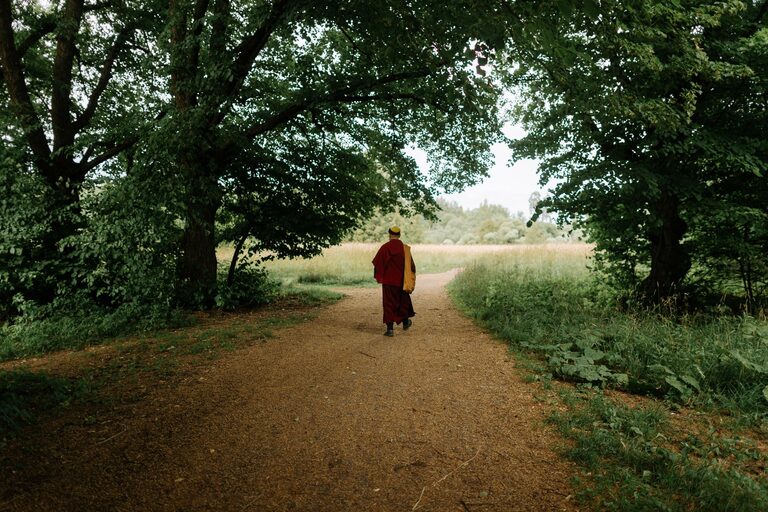

Mindful walking is an easy and accessible practice that combines movement with meditation to help you stay present and calm. Unlike regular walking, mindful walking encourages you to focus fully on your experience—the sensations of your body, the rhythm of your breath, and the environment around you. Whether you’re out in nature or just pacing your hallway, this practice can enrich your day and improve mental clarity.
In this guide, we’ll explore how to begin mindful walking, what you need to know to get started, and the benefits you can expect along the way.
What is Mindful Walking?
Mindful walking is a form of meditation that involves paying close attention to the act of walking. It encourages awareness of each step, the movement of your legs and feet, the sounds around you, and the sensations in your body. The goal is to bring your mind fully into the present moment instead of letting it wander.
This practice can be done anywhere — indoors or outdoors, alone or with others. It usually requires no special equipment, just your willingness to slow down and focus.
Why Practice Mindful Walking?
There are many benefits to mindful walking that go beyond just physical exercise:
– Reduces Stress and Anxiety: Focusing on the present moment helps calm racing thoughts.
– Improves Concentration: Training your mind to stay with simple sensations strengthens mental focus.
– Enhances Physical Awareness: You become more attuned to how your body moves, which can improve posture and reduce tension.
– Boosts Mood: Spending time walking mindfully can release feel-good hormones and increase relaxation.
– Encourages Healthy Habits: It can motivate regular physical activity when combined with mindfulness.
How to Start Mindful Walking: A Step-by-Step Guide
1. Choose Your Location
Pick a safe and comfortable place where you can walk undisturbed. This might be a quiet park, a trail, a garden, or even a hallway inside your home.
2. Wear Comfortable Shoes
Even though mindful walking is about slowing down and awareness, it’s still important to wear shoes that support your feet well.
3. Start with a Few Minutes
If you’re new to the practice, begin with just 5 to 10 minutes. You can gradually increase the time as you feel more comfortable.
4. Get Into a Comfortable Posture
Stand upright but relaxed. Notice how your feet connect with the ground. Let your arms hang naturally by your sides or clasp your hands gently in front or behind you.
5. Begin Walking Slowly
Start walking at a slower pace than usual. Pay attention to the sensation of lifting one foot, moving it forward, and placing it down again.
6. Focus on Your Steps and Breath
With each step, feel the movement in your feet and legs. Notice how your breath flows in and out. It’s okay if your mind wanders—gently bring your focus back to your steps and breathing each time.
7. Use Your Senses
Engage all your senses by observing the sights, sounds, smells, and textures around you. Feel the breeze on your skin or listen to birds chirping.
8. End With a Moment of Stillness
When you finish, stand still for a moment. Take a few deep breaths and notice any changes in how you feel.
Tips to Deepen Your Mindful Walking Practice
– Set an Intention: Before you start, silently set an intention for your walk, such as “I will stay present” or “I will relax and enjoy this moment.”
– Count Your Steps: To help stay focused, count each step up to 10, then start again.
– Notice Thoughts Without Judgment: When distractions arise, simply acknowledge them without criticism, then return to your walk.
– Practice Daily: Consistency helps build mindfulness skills. Even a short daily walk can make a difference.
– Combine with Gratitude: As you walk, think of things you’re grateful for to boost positivity.
– Try Guided Mindful Walks: Apps and online recordings can guide you through the experience, especially when you’re just starting.
Common Challenges and How to Overcome Them
Mind Wandering
It’s normal for your mind to drift. Don’t get frustrated. Gently bring your attention back to your walking sensations.
Impatience or Restlessness
If walking slowly feels uncomfortable, remind yourself this is a skill that takes practice. You can start with shorter sessions and gradually increase.
Distractions
Busy environments might make mindfulness harder. Try finding quieter spots or practicing at less busy times.
Mindful Walking vs. Regular Walking
While regular walking is great exercise, mindful walking adds a mental and emotional layer to your movement. The focus is not on speed, distance, or fitness goals, but on being fully present with each step. This makes it a valuable practice for mind-body balance.
Conclusion
Mindful walking is a simple yet powerful way to connect your body and mind, reduce stress, and enjoy the present moment. By bringing awareness to the rhythm and sensations of walking, you turn an everyday activity into a peaceful meditation.
Start small, be patient with yourself, and make mindful walking a regular part of your routine. With time, you’ll likely notice greater calmness, clarity, and a deeper appreciation for the world around you.
Give it a try today—one step at a time.