
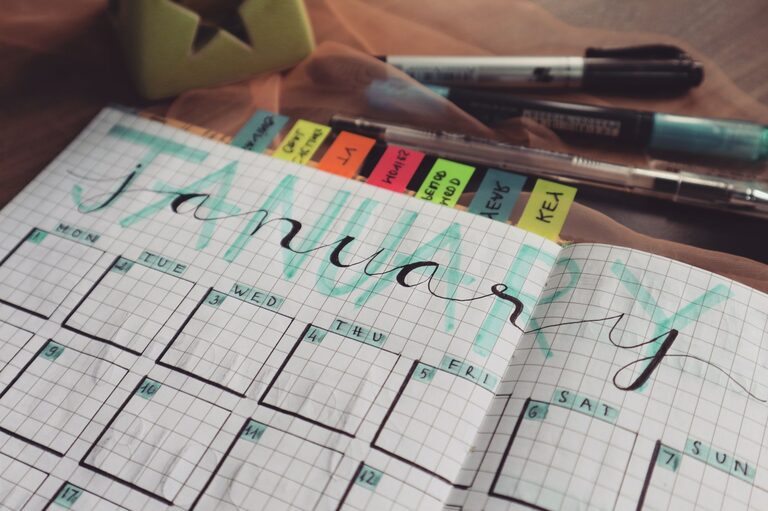

Planning a weekend free from stress can feel like a luxury, but with a little intention and preparation, it’s entirely possible to create a restful, rejuvenating break. Whether you want to escape your usual busy routine or simply slow down, a no-stress weekend allows you to recharge both your body and mind. Here’s a practical guide to help you plan a weekend that leaves you feeling refreshed and ready for the week ahead.
Why a No-Stress Weekend Matters
Weekends are meant to be a break from work and obligations, but often they end up packed with chores, errands, or social commitments that can cause more stress than relief. Intentionally planning a no-stress weekend helps:
– Improve mental health
– Boost energy levels
– Increase productivity for the upcoming week
– Enhance quality of life
Let’s explore how you can set up your weekend to maximize relaxation and minimize stress.
Step 1: Set Clear Intentions
Before the weekend arrives, take a moment to think about what you want from it. Ask yourself:
– Do I want to rest, be active, or socialize?
– What activities bring me joy and calm?
– How much downtime do I realistically need?
Write down one or two main goals for your weekend, such as “unplug from devices,” “spend time in nature,” or “catch up on sleep.” Setting clear intentions will help you make mindful decisions about how to spend your time.
Step 2: Plan, But Don’t Overplan
Having a loose plan is helpful, but avoid over-scheduling your weekend. Overplanning can defeat the purpose of relaxation. Instead, create a flexible outline that balances activity with downtime:
– Choose 1-2 priority activities, like visiting a park, reading a book, or cooking a favorite meal.
– Schedule breaks or free time after each activity.
– Leave room for spontaneous moments or rest.
Remember, goals for your weekend should feel manageable and enjoyable, not like tasks to check off.
Step 3: Minimize Digital Distractions
Technology can be a major source of stress and distraction. To aid relaxation:
– Consider limiting social media and email checking.
– Turn off non-essential notifications.
– Set specific times for checking devices, if needed.
– Use apps or features like “Do Not Disturb” or “Focus Mode.”
Reducing screen time allows you to be more present and appreciate your weekend activities fully.
Step 4: Create a Comfortable Environment
Your physical surroundings have a big impact on your stress levels. Make your home or weekend space inviting:
– Declutter common areas to create a calm atmosphere.
– Play soft music or nature sounds.
– Use cozy blankets or cushions.
– Light candles or diffuse essential oils like lavender or chamomile.
A comfortable setting supports relaxation and helps your mind unwind.
Step 5: Prioritize Sleep and Rest
Sleep is key to reducing stress and improving well-being. Over the weekend:
– Try to keep a consistent sleep schedule, even if you sleep in a little.
– Avoid caffeine or heavy meals close to bedtime.
– Create a relaxing bedtime routine, such as reading or gentle stretching.
– Allow naps if you feel tired, but keep them brief (20-30 minutes).
Restful sleep sets a positive tone for the rest of your weekend.
Step 6: Nourish Your Body
Eating well contributes to feeling good and relaxed. Plan simple, nutritious meals and snacks that you enjoy:
– Prepare meals ahead of time if it helps avoid last-minute stress.
– Include plenty of fruits, vegetables, and hydrating drinks.
– Enjoy a special treat or comfort food in moderation.
– Stay hydrated throughout the day.
Listening to your body’s needs is an important part of a no-stress weekend.
Step 7: Move Your Body Gently
Physical activity can help relieve tension and boost mood, but it doesn’t have to be intense. Choose gentle movements you enjoy, such as:
– Walking in a park or around your neighborhood
– Yoga or stretching exercises
– Light biking or swimming
– Dancing to your favorite music
Even small amounts of movement can improve your energy and help clear your mind.
Step 8: Practice Mindfulness or Relaxation Techniques
Mindfulness helps bring your attention to the present moment, reducing anxiety and stress. Consider incorporating:
– Deep breathing exercises
– Meditation or guided mindfulness apps
– Journaling about your thoughts and feelings
– Engaging fully in a hobby or creative activity
These practices encourage mental calm and enhance your overall weekend experience.
Step 9: Connect with Loved Ones or Enjoy Solitude
Reflect on how social interaction affects your stress. Some people feel recharged by spending time with family or friends, while others prefer quiet solitude. Plan accordingly:
– Arrange a relaxed coffee or walk with a close friend.
– Spend quality time with family members without rushing.
– Allow yourself guilt-free alone time if that’s what you need.
Respect your emotional needs to make your weekend truly restorative.
Tips for a Successful No-Stress Weekend
– Prepare your space and plan during the week to reduce weekend chores.
– Turn off work notifications and set boundaries around work-related tasks.
– Listen to your body and mind—adjust plans if you feel overwhelmed.
– Avoid multitasking; focus on one enjoyable activity at a time.
– Keep a simple journal to note what helped you relax or what to try next time.
Final Thoughts
A no-stress weekend is about giving yourself permission to slow down, rest, and enjoy life’s simple pleasures. With a thoughtful approach, you can transform your weekends into genuine breaks from the hectic pace of daily life. Start small, be kind to yourself, and savor the calm.
Planning ahead, setting realistic goals, and prioritizing your well-being can make all the difference. Try these tips this weekend and notice how much more refreshed and balanced you feel afterward. Here’s to your peaceful, no-stress weekend!