
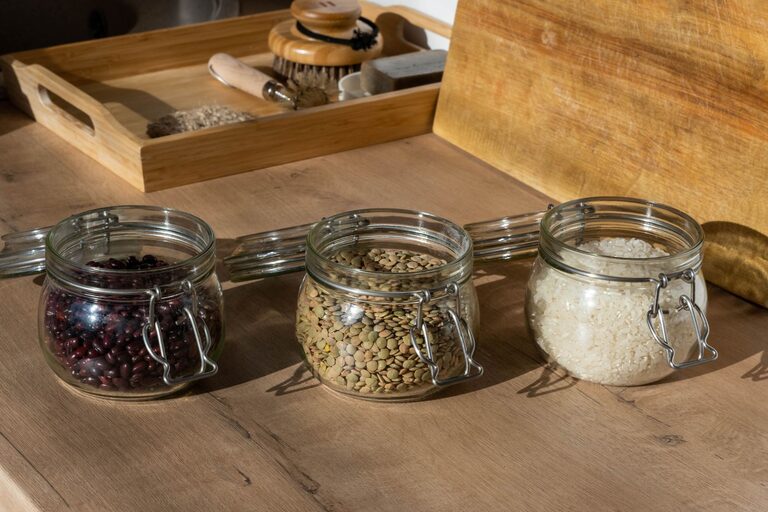

When life gets busy, planning meals can feel overwhelming. But what if you could create delicious dinners using ingredients already sitting in your pantry? Planning meals from pantry staples not only saves time and money, but also reduces food waste and simplifies grocery shopping. Whether you have a well-stocked pantry or just a few basics, this guide will help you turn those shelf stable items into satisfying meals.
Why Plan Meals from Pantry Staples?
Pantry staples are the foundation of many meals. These are non-perishable or long-lasting ingredients like canned goods, dried beans, pasta, rice, spices, and more. By focusing on what you already have, you avoid extra trips to the store and can whip up meals on short notice.
Benefits include:
– Cost savings: Using pantry items reduces impulse buys.
– Less food waste: You use ingredients before they expire.
– More creativity: You learn to mix and match flavors.
– Convenience: Meals come together quickly with basics on hand.
Assess Your Pantry
Start by taking inventory of your pantry staples. This will give you a clear picture of what you have and what you might want to add. Common essentials include:
– Grains: rice, pasta, quinoa, couscous
– Canned goods: beans, tomatoes, tuna, broth
– Baking supplies: flour, sugar, baking powder
– Oils and vinegars
– Dried herbs and spices: oregano, cumin, chili powder, cinnamon
– Nuts and seeds
– Shelf-stable dairy or non-dairy alternatives: powdered milk, evaporated milk
– Condiments: soy sauce, mustard, hot sauce
Organize these ingredients so they’re easy to see and access. This helps when you’re ready to plan meals.
Plan Meals Around Staples
Here’s how to approach meal planning using your pantry staples.
1. Choose a Base
Start with a grain or starch as the foundation of your meal. For example:
– Cook rice or quinoa
– Boil pasta
– Prepare potatoes or sweet potatoes (if you have some fresh or frozen)
2. Add Protein
Next, select a protein source. Pantry-friendly proteins include:
– Canned beans or lentils
– Canned tuna or salmon
– Nut butters or nuts
– Shelf-stable tofu (if available)
3. Include Vegetables
Use canned, frozen, or fresh vegetables if available. Some common pantry vegetables are:
– Canned tomatoes
– Jarred roasted peppers
– Frozen mixed vegetables
Mix these with your base and protein for variety.
4. Flavor it Up
Herbs, spices, and condiments make all the difference. Experiment with combinations like:
– Garlic powder, oregano, and basil for Italian dishes
– Cumin, chili powder, and cayenne for Mexican-inspired meals
– Curry powder and turmeric for Indian flavors
Add soy sauce or hot sauce for umami and heat.
5. Meal Ideas
Here are a few quick meal ideas using pantry staples:
– Bean chili: Combine canned beans, tomatoes, chili powder, and garlic. Serve over rice.
– Tuna pasta: Mix canned tuna, pasta, canned peas, and a little mayo or olive oil.
– Rice and lentil pilaf: Cook lentils and rice together with cumin and cinnamon.
– Vegetable stir-fry: Use frozen veggies, soy sauce, and peanut butter over noodles or rice.
– Tomato soup: Simmer canned tomatoes with broth and herbs, serve with toasted bread.
Create a Weekly Meal Plan
Once you know your pantry items, use a simple weekly plan to reduce daily stress. Here’s a suggested approach:
– Monday: Pasta with tomato sauce and canned veggies
– Tuesday: Bean and rice bowl with salsa and seasoning
– Wednesday: Tuna salad wrap with canned veggies and mustard
– Thursday: Lentil stew with spices and canned tomatoes
– Friday: Stir-fried noodles with peanut sauce and frozen mixed vegetables
– Saturday: Leftover remix – combine remaining ingredients creatively
– Sunday: Soup and bread or a simple salad (if you have fresh ingredients)
Write the plan down or use a meal planning app. This helps keep shopping trips minimal and meals balanced.
Stock Your Pantry Smartly
To make pantry meal planning easier, keep a few extra items on hand:
– Always have a variety of dried pasta and rice
– A mix of canned beans and lentils
– Several kinds of canned tomatoes and broth
– Basic spices and seasoning blends
– Cooking oils and vinegars
– Shelf-stable protein options like canned tuna or nut butters
Rotate items to ensure freshness, and add new staples based on your favorite recipes.
Tips for Success
– Prep ahead: Cook large batches of grains or beans to use throughout the week.
– Make meals customizable: Prepare bowls with flexible components so everyone can mix and match.
– Keep it simple: Don’t overcomplicate meals—focus on nourishment and flavor.
– Experiment: Try new spice combinations or swap proteins to keep meals exciting.
– Use leftovers wisely: Repurpose leftovers into soups, salads, or wraps.
Final Thoughts
Planning meals from pantry staples is a smart, practical way to simplify cooking while reducing waste. With a well-stocked pantry and a bit of creativity, you can enjoy a variety of delicious, homemade meals without stress. Take time to organize your pantry, make a plan, and discover the benefits of cooking with what you have.
Happy cooking!