
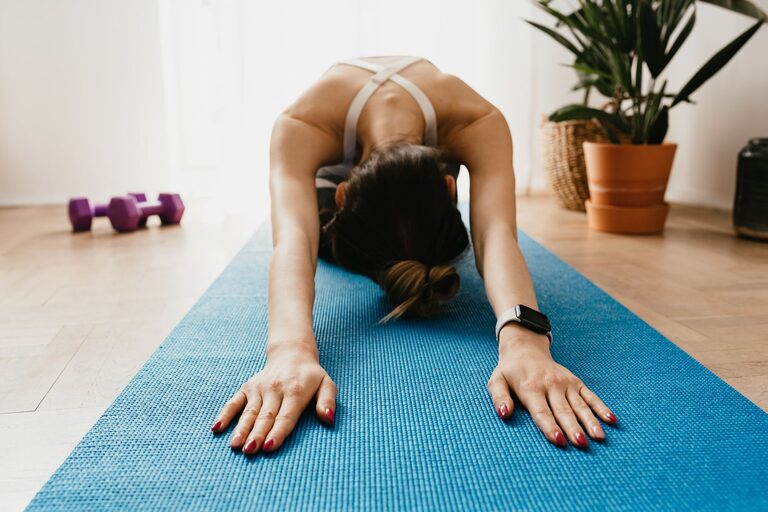

Stretching is an essential part of any fitness or wellness routine. It helps improve flexibility, reduces muscle tension, and can enhance your overall sense of well-being. You don’t need a gym or special equipment to reap the benefits. With just a small space at home and a bit of time, anyone can start stretching effectively. This beginner’s guide will walk you through the basics of stretching at home, including the benefits, tips, and simple routines you can try.
Why Stretching Matters
Stretching offers several important benefits:
– Increases flexibility: This makes daily movements easier and can improve posture.
– Reduces muscle tension: Stretching helps relax tight muscles and ease discomfort.
– Improves circulation: It promotes blood flow, which can speed up recovery and boost energy.
– Enhances relaxation: Gentle stretching can reduce stress and promote better sleep.
– Prevents injury: Preparing your muscles before physical activity lowers the risk of strains.
Understanding these benefits can motivate you to incorporate stretching into your daily routine.
Types of Stretching to Know
Before starting, it’s good to know the two main types of stretching:
Static Stretching
This involves holding a stretch for 15 to 60 seconds. It’s great for improving overall flexibility and is best done after exercise or during dedicated stretching sessions.
Dynamic Stretching
Dynamic stretches are active movements that gently take your muscles through their full range of motion. These are ideal as part of a warm-up before physical activity.
For beginners, starting with static stretches is a safe and effective way to build flexibility.
Tips for Stretching Safely at Home
To get the most out of your stretching routine and avoid injury, follow these simple tips:
- **Warm up first:** Stretching cold muscles can lead to injury. Do 5 minutes of light activity like walking or marching in place before stretching.
- **Move slowly:** Ease into each stretch gently. Avoid bouncing or jerky movements.
- **Breathe deeply:** Steady breathing helps your muscles relax and improves oxygen flow.
- **Listen to your body:** Stretch to a point of mild tension, never pain.
- **Be consistent:** Stretch regularly, ideally daily, for the best results.
- **Use a comfortable space:** Clear an area with enough room to move freely. A yoga mat or soft surface can add comfort.
Beginner-Friendly Stretching Routine
Here is a simple routine you can do at home, taking about 15-20 minutes:
1. Neck Stretch
– Sit or stand tall with your shoulders relaxed.
– Gently tilt your head to the right, bringing your ear toward your shoulder.
– Hold for 20-30 seconds, feeling a stretch on the left side of your neck.
– Repeat on the other side.
2. Shoulder Stretch
– Bring your right arm across your chest.
– Use your left arm to gently press your right arm closer to your chest.
– Hold for 20-30 seconds.
– Switch arms.
3. Chest Opener
– Clasp your hands behind your back.
– Straighten your arms and lift your chest, squeezing your shoulder blades together.
– Hold for 20-30 seconds.
4. Seated Forward Bend (Hamstring Stretch)
– Sit on the floor with your legs extended straight ahead.
– Keeping your back straight, gently lean forward from the hips and reach toward your toes.
– Hold for 30 seconds.
– Don’t force it; go as far as comfortable.
5. Quadriceps Stretch
– Stand near a wall or chair for support.
– Bend your right knee and grab your ankle with your right hand.
– Gently pull your heel toward your buttocks.
– Hold for 20-30 seconds.
– Repeat on the other leg.
6. Cat-Cow Stretch (Spine Mobility)
– Get on hands and knees, wrists under shoulders, knees under hips.
– Inhale, arch your back, lifting your head and tailbone (Cow Pose).
– Exhale, round your spine, tucking your chin and tailbone (Cat Pose).
– Repeat 5-10 times slowly.
7. Child’s Pose
– From hands and knees, sit back on your heels, stretch your arms forward on the floor, and lower your forehead down.
– Hold for 30 seconds to 1 minute to relax your back and hips.
Tracking Your Progress
As you grow more comfortable with stretching, try to notice changes in your body, such as:
– Increased range of motion
– Decreased muscle tightness
– Improved posture
– Enhanced relaxation after stretching sessions
Keeping a simple journal can help you stay motivated and track your progress over weeks.
Final Thoughts
Stretching at home is a convenient and accessible way to improve your flexibility and support your overall well-being. By starting slow, following proper techniques, and being consistent, you can build a stretching routine that fits your lifestyle and feels rewarding.
For best results, consider pairing stretching with light exercise or walking, and remember to hydrate well. If you ever feel pain or discomfort beyond mild stretching tension, stop and consult a professional if needed.
Begin today and enjoy the benefits of a more flexible and relaxed body!